Haifa: A Sweet Sans Serif Typeface for Handmade Branding
I was staring at a blank Canva canvas, trying to finalize the label design for my new line of lavender soy candles. The jar was simple, frosted glass with a matte black lid. I needed text that felt organic but polished—something that whispered "handcrafted" without looking messy or overly rustic. That’s when I pulled up Haifa. It wasn’t just another sans serif font; it had this quiet magic in its curves and those subtle swashes that caught the light differently depending on how you sized it. Within minutes, what felt like a generic label transformed into something with character. If you are a maker who wants your products to feel premium yet approachable, Haifa might be the missing piece in your design toolkit.
The Personality Behind the Typeface
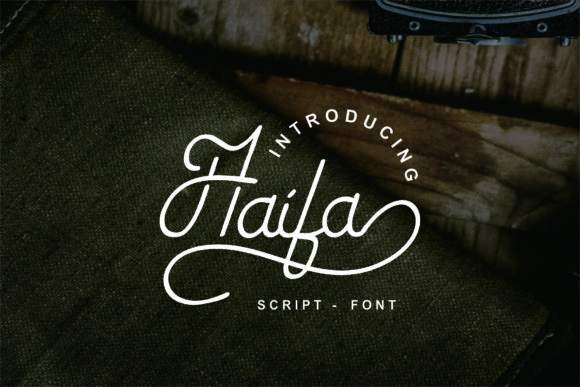
Haifa is described as sweet and charming, but visually, it feels more like a warm hug than a stiff formality. As a sans serif typeface, it avoids the sharp edges of geometric fonts, opting instead for soft, rounded terminals that make it incredibly friendly. However, it doesn’t sacrifice modernity for cuteness. There is a cool twist in its structure—a slight irregularity in the stroke weight that gives it a hand-drawn vibe while remaining clean enough for professional use.
This balance is crucial for handmade sellers. You want your brand identity to look established and trustworthy, not amateurish. Haifa achieves this by maintaining high legibility while injecting personality. When I used it for a set of boutique gift tags, the font didn’t compete with the product photography; it framed it. The emotional appeal of the typeface leans toward warmth and creativity, making it perfect for brands that sell comfort, joy, or personal connection.
From Digital Mockups to Physical Products
One of the biggest challenges in the crafting world is translating digital designs onto physical materials. A font that looks great on a screen can sometimes become unreadable when printed small on a sticker or cut from vinyl. Haifa handles these transitions surprisingly well. Its open counters (the spaces inside letters like 'a' or 'e') ensure that even at smaller sizes, the text remains clear.
I recently tested Haifa on a sheet of die-cut stickers for a planner launch. Because the font has distinct letterforms, it stayed readable even when scaled down to 0.5 inches. This is vital for product labels where space is tight. Whether you are using a Cricut or Silhouette to cut vinyl decals for mugs and tote bags, Haifa’s clean lines prevent bleeding or tearing issues common with overly intricate script fonts. It simplifies the cutting process while still delivering a high-end aesthetic.
In packaging design, first impressions matter. When customers unbox their orders, the typography on the thank-you card or shipping label sets the tone for the entire experience. Using Haifa for your shop branding creates a cohesive narrative. It signals that you pay attention to detail. For example, pairing the main product name in Haifa with a simpler, thinner weight for the ingredients list on a candle label creates a beautiful hierarchy that guides the customer’s eye naturally.
Versatility Across Stationery and Decor
While Haifa shines on product labels, its applications extend far beyond packaging. Here is how makers are incorporating this creative font into various categories:
- Greeting Cards and Invitations: For wedding stationery or birthday invites, Haifa serves as an excellent display font for names and dates. Its charm adds a touch of elegance without the stiffness of traditional calligraphy. It works beautifully for "Save the Date" cards where you want a modern yet romantic feel.
- Printable Wall Art: As a printable creator, I’ve found Haifa ideal for minimalist home decor quotes. When paired with ample white space, the font becomes the focal point. It brings a sense of calm and sophistication to nursery prints or farmhouse-style kitchen signs.
- Digital Downloads and Planners: For digital planners, readability is key. Haifa’s sans serif structure makes it easy to read on screens, whether on an iPad or a desktop. Use it for section headers or daily prompts to keep the layout clean and organized.
- Seasonal Merchandise: During holiday seasons, Haifa adapts well to festive themes. Imagine its smooth curves on a Christmas tree ornament tag or a Halloween treat box. The font’s neutral sweetness allows it to blend seamlessly with seasonal colors and graphics without clashing.
Font Pairing and Design Strategy
No single font does everything. To maximize the impact of Haifa, strategic font pairing is essential. Since Haifa is a charming sans serif, it pairs exceptionally well with:
- Clean Script Fonts: Use Haifa for the body text or secondary information and pair it with a flowing script for signatures or decorative accents. This combination balances structure with flair.
- Simple Serif Fonts: For a more editorial look, combine Haifa with a classic serif font. The contrast between the modern sans serif and the traditional serif adds depth to book covers or long-form printables.
- Bold Display Fonts: If you need strong headlines, pair Haifa with a heavy, bold display font. This creates a dynamic visual rhythm, especially effective for social media graphics or large format banners.
When designing, remember that less is often more. Let Haifa breathe. Avoid overcrowding your designs with too many competing elements. The font’s inherent charm speaks for itself, so give it room to shine in your logo design, web design, or social media graphics.
Practical Tips for Makers and Sellers
Before purchasing and using Haifa for commercial purposes, there are a few technical details to consider. Always check the included styles, alternates, and ligatures. Some versions of Haifa may include special swash characters that can add extra flair to initial letters or decorative words. These features can elevate a simple design into something unique.
Verify the file formats available. Most premium fonts come in OTF and TTF formats, which are compatible with most design software like Adobe Illustrator, Photoshop, and Procreate. If you are creating SVG files for cutting machines, ensure you convert the text to outlines before saving to preserve the integrity of the design across different devices.
Furthermore, review the licensing agreement carefully. If you plan to sell physical products like shirts, mugs, or tote bags, confirm that the commercial license covers merchandise. Many creators overlook this step, leading to potential legal issues. A proper commercial font license protects your business and ensures you can use Haifa confidently in your product listings and marketing materials.
Ultimately, Haifa is more than just a typeface; it is a tool for storytelling. It helps convey the care and creativity behind your handmade goods. By integrating this sweet and charming sans serif font into your workflow, you enhance the perceived quality of your items and build a stronger connection with your audience. Whether you are designing a single candle label or a full suite of wedding invitations, Haifa offers the versatility and style needed to make your brand stand out in a crowded marketplace.